Key takeaways for solar and ESS channels
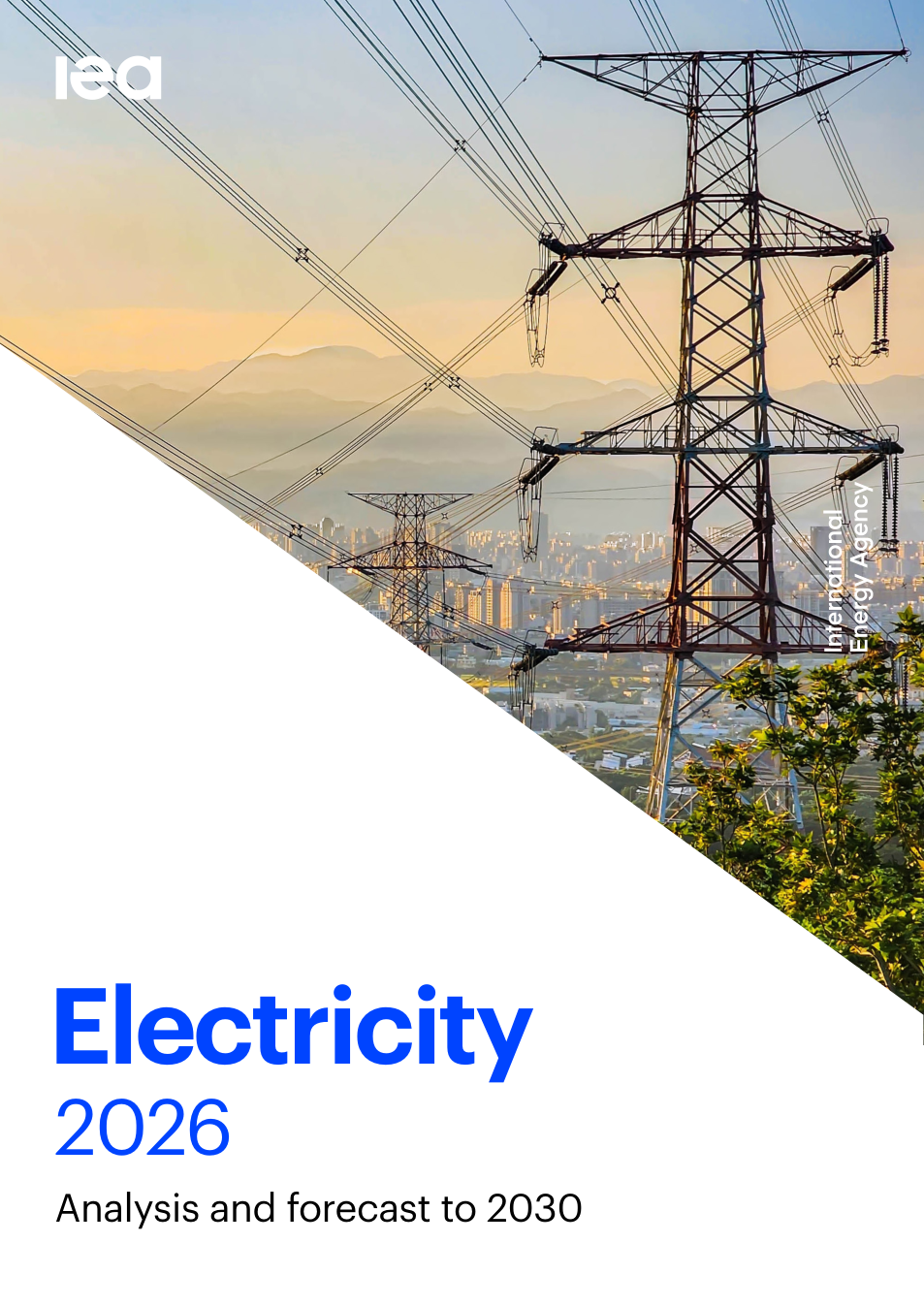
The IEA's Electricity 2026 report points to a market environment that strongly favours solar-plus-storage, hybrid inverters, smart energy controls and resilient backup systems. Electricity is becoming the preferred energy carrier for industry, buildings, transport and digital infrastructure, while grids must absorb more variable renewable generation and more volatile demand.
Demand growth is no longer only about population or GDP
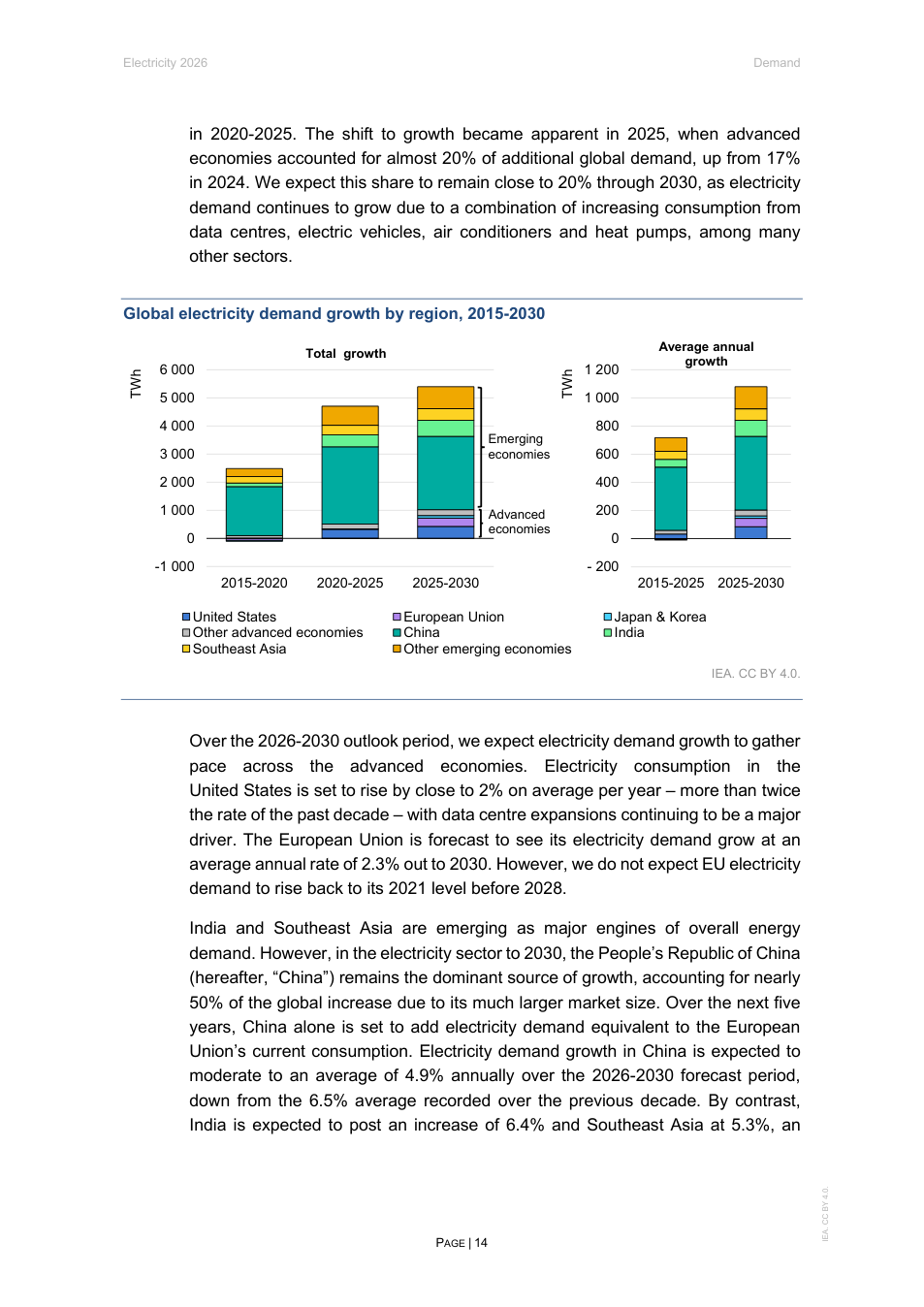
Global electricity demand is forecast to rise by an average of 3.6% per year from 2026 to 2030. The report highlights a structural shift: electricity use is expected to outpace economic growth and grow at least 2.5 times faster than overall energy demand. For distributors, this means power equipment demand will be pulled by several end uses at once: air conditioning, electric vehicles, heat pumps, light industry, data centres and commercial buildings.
That creates a broader sales case than simple bill reduction. Customers increasingly need systems that can handle higher daily loads, protect critical appliances, manage peak periods and support future electrification.
Renewables, storage and flexibility become one conversation
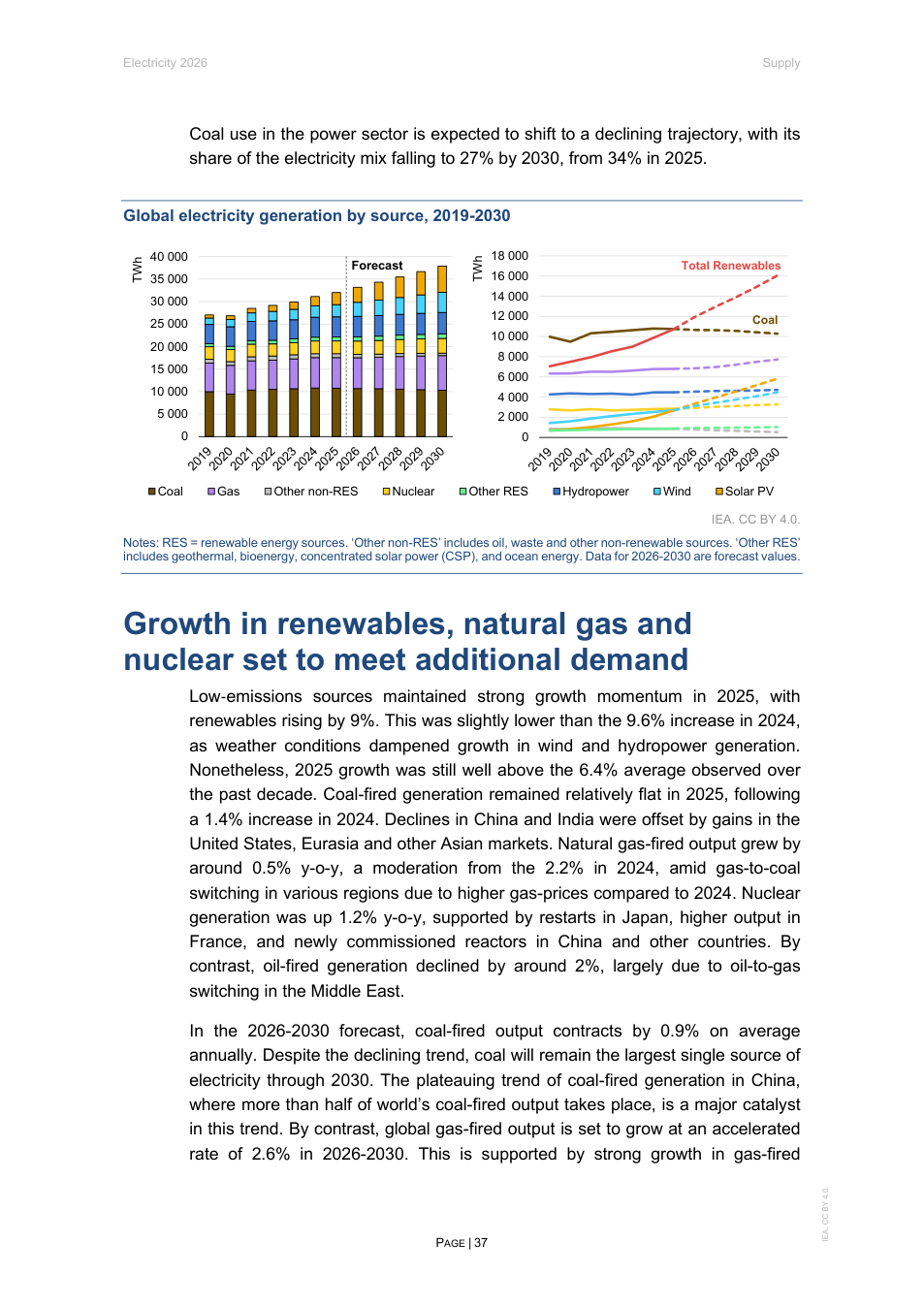
The report expects renewables, gas and nuclear to meet additional global electricity demand in aggregate through 2030, with renewables becoming the largest contributor to generation. But higher solar penetration also raises the value of flexible demand, battery storage and intelligent controls. Utility-scale batteries are growing quickly, and the same logic applies behind the meter: homes and businesses need batteries and hybrid inverters to shift solar output into evening loads and backup periods.
Prices and reliability support the case for self-consumption
Electricity affordability remains a central issue. Even where wholesale prices decline, household and business bills can remain elevated because of network charges, taxes and other non-energy components. Customers therefore respond to solutions that reduce grid dependence, improve solar self-consumption and add resilience during outages.
What this means for Deepoint partners
- Residential: sell hybrid inverter and battery kits as a hedge against higher bills, outages and future EV or cooling loads.
- Commercial: position C&I ESS around peak shaving, backup and improved use of rooftop solar.
- Off-grid: clinics, telecom sites and rural businesses need reliable systems where grid expansion remains slow.
- Smart energy: monitoring, tariff scheduling and smart load control become important differentiators.
The main takeaway is clear: the market is moving toward electricity-intensive living and working. Distributors who can package solar, storage and controls into practical systems will be better positioned than those selling panels or inverters alone.
Need product selection support?
Share the application, country and expected system size. Deepoint can recommend inverter, ESS and solar module combinations for your market.
Talk to Deepoint